
People with Chronic Diseases
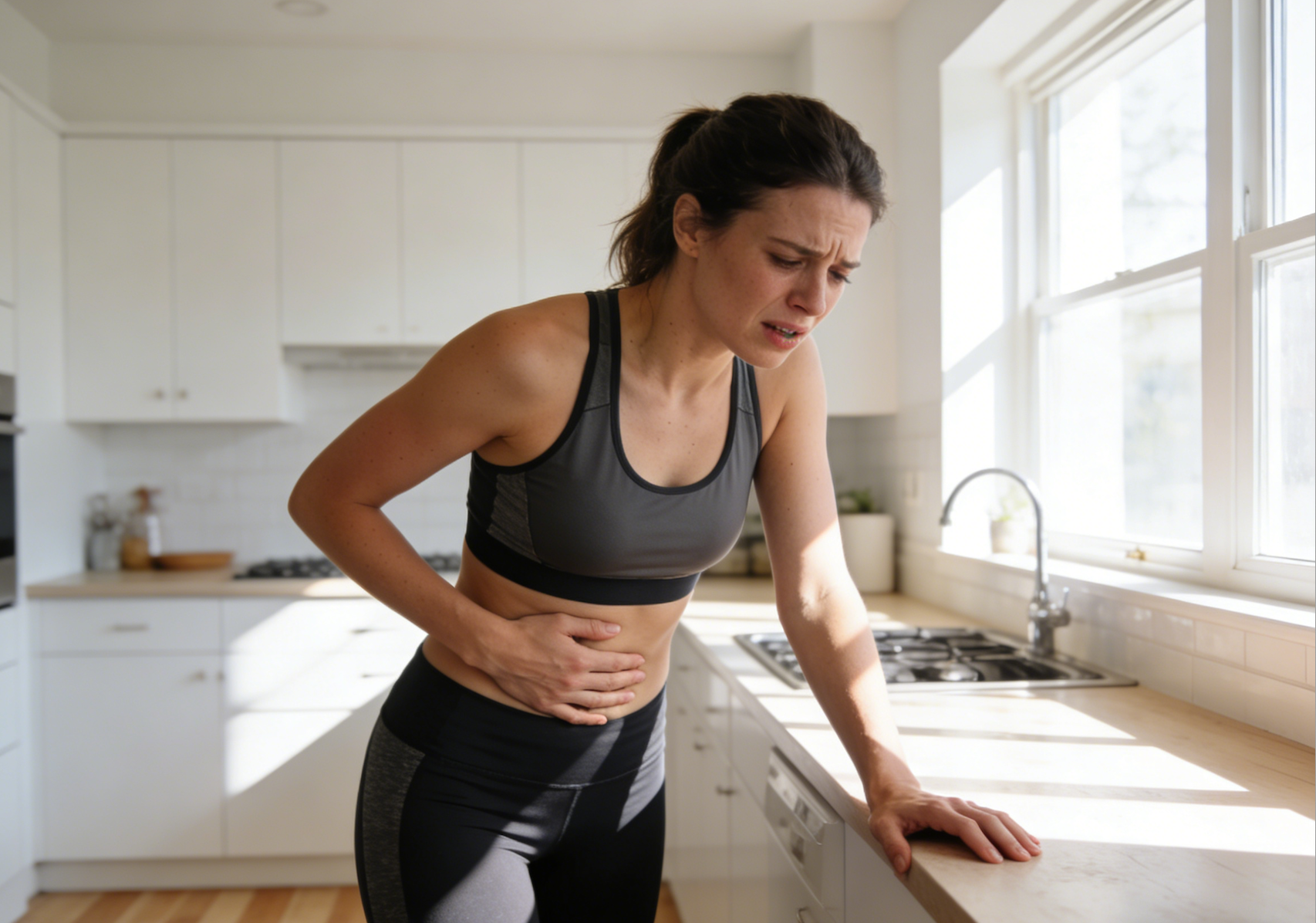
Five medical reasons for a low-fat diet: preventing heart disease, treating heart disease and high blood pressure.
This article lists five medical reasons to consider a low-fat diet: Preventing heart disease requires reducing saturated and anti-chain fats; Dr. Onish's ultra-low-fat diet can be considered for those diagnosed with heart disease; and the DASH diet (low-fat, low-sodium, high-fruit-and-vegetable diet) can be used to treat high blood pressure. A low-fat diet helps clear arteries, lower blood...
2026-04-12
Scientific Assessment of Overweight: Methods for Calculating Standard Weight and the Dangers of Obesity
This article introduces various standards and methods for measuring whether a person is overweight, including commonly used calculation formulas and the internationally popular BMI index. It also elaborates on the serious health effects of being overweight, such as increasing the risk of cardiovascular disease and diabetes, as well as the potential harm to social life and mental health.
2026-04-12
Five medical reasons for a low-fat diet: from heart disease to breast cancer and Alzheimer's disease
This article outlines five situations where a low-fat diet is necessary: preventing heart disease, having been diagnosed with heart disease, high blood pressure (the DASH diet is effective), preventing breast cancer (a low-fat diet reduces the recurrence rate by 20%), and reducing the risk of Alzheimer's disease. Caffeine can temporarily increase calorie expenditure, but it is not suitable...
2026-04-12
A Guide to Scientific Vitamin Supplementation: Calcium, Vitamin B12, Iron, Folic Acid, and Vitamin D
This article provides scientifically based supplement recommendations: Calcium is essential for bone health, and requirements vary with age; those over 50 need vitamin B12 supplementation; women of childbearing age need folic acid supplementation to prevent birth defects; vitamin D deficiency is linked to cancer and heart disease and can be obtained through sun exposure or supplements. Fish...
2026-04-11
The Threat of Hidden Anemia: Oxygen Transport in Hemoglobin and Global Iron Fortification Strategies
Shortness of breath and dizziness when climbing stairs are often symptoms of iron-deficiency anemia. This article delves into how hemoglobin reversibly binds to oxygen and explores the crucial role of iron in red blood cell production. By comparing the iron fortification policies for flour in Europe and the United States with the current situation in Japan, the article introduces a series of...
2026-04-10
Regulating sugar metabolism and preventing thirst: Kudzu root and Adenophora root soup and American ginseng and Dendrobium soup, which clear heat and promote fluid production.
This article provides an in-depth analysis of "pancreatic obesity" caused by elevated insulin levels. It reveals its close link to diabetes, highlighting the crucial role of insulin in promoting fat synthesis and inhibiting fat breakdown. Addressing the burden on pancreatic function caused by modern people's fondness for sweets, it emphasizes that this type of obesity is a precursor to...
2026-04-09
Warming Yang, promoting Qi circulation, diuresis, and reducing edema: Fuzi Guizhi Tang and Beiqi Fulingpi Tang are used for edema-type obesity.
This article provides an in-depth analysis of "edema-type obesity," a more serious condition than water retention-type obesity. It points out that these patients suffer from the problem of gaining weight even from drinking water, the root cause of which lies in the imbalance of the kidney, spleen, lung, and triple burner functions. Through the traditional Chinese medicine theory that "the...
2026-04-09
Nourishing Yin and Reducing Internal Heat Dietary Therapy: Liuwei Dihuang Decoction and Cordyceps Sinensis and Polygonum Multiflorum Decoction for Buffalo Back Obesity
This article provides two highly effective dietary therapy plans for buffalo hump obesity caused by endocrine disorders, from the perspective of "nourishing yin and reducing fire" in Traditional Chinese Medicine. It details the famous formula "Liuwei Dihuang Tang" and the compatibility principles of its six medicinal ingredients, as well as the remarkable value of Cordyceps sinensis ("soft...
2026-04-09
The Endocrine Truth Behind Buffalo Back Obesity: In-Depth Analysis of the Relationship Between Increased Adrenal Cortisol and Central Obesity
This article delves into the medical principles behind the distinctive physique of "buffalo hump obesity." It points out that its root cause lies in abnormal fat distribution due to excessive cortisol secretion, manifested as a stark contrast between slender limbs and a broad torso and shoulders. From the perspective of integrating traditional Chinese and Western medicine, the article explores...
2026-04-09
The number one culprit in obesity: caffeine and excessive burden on the adrenal glands.
This article provides a detailed analysis of how coffee, a common beverage in modern life, has become a leading cause of obesity. By revealing caffeine's inhibitory effect on mineral absorption and its excessive stimulation of the adrenal glands, it elucidates the mechanisms by which it increases the burden on bodily systems and leads to fat deposition. At the same time, the article also...
2026-04-08
Detailed Explanation of Commonly Used Traditional Chinese Medicines for Weight Loss (Part 2): Pharmacology of Corn Silk, Salvia miltiorrhiza, Lotus Leaf, and Honeysuckle
This article elucidates the significant effects of medicinal herbs such as corn silk, Panax notoginseng, Imperata cylindrica root, Salvia miltiorrhiza, Ligusticum chuanxiong, and Leonurus japonicus in diuresis, blood circulation, lipid reduction, and weight loss. Through the introduction of the broad-spectrum antibacterial and weight-loss effects of honeysuckle, and the properties of lotus...
2026-04-08
The Hidden Killer of Women's Health: The Link Between Hormones and Poor Lymphatic System Function
This article reveals the physiological mechanisms of obesity as a form of "poisoning." Experts point out that the lymphatic system's inability to properly eliminate waste leads to the accumulation of toxins in the body, forming fat deposits. The article particularly emphasizes how periods of hormonal instability in women (such as puberty, pregnancy, and menopause) and estrogen excess caused by...
2026-04-08
Laughter for Health and Vitality: Norman Cousins' "Laughter Therapy" and the Remarkable Stress-Relieving Effects of Exercise
This article explores two powerful stress-relieving methods: hearty laughter and physical exercise. By citing the legendary story of renowned author Norman Cousins overcoming illness, the article reveals how laughter improves health by increasing endorphins and boosting immunity. At the same time, the article emphasizes the role of regular exercise in accelerating metabolism and managing...
2026-04-07
The benefits of xylitol and energy balance: Choosing a more rational diet
This article details the advantages of xylitol as a healthy sweetener, including its low impact on blood sugar and additional benefits such as preventing tooth decay. It also explores how incorporating natural foods into recipes can break the cycle of craving-driven eating. By pursuing a balanced intake of nutrients, people can rediscover primal joy on both a mental and physical level, no...
2026-04-07
Obesity etiology investigation and clinical differential diagnosis process
This article details how to determine the cause of obesity through a comprehensive clinical examination process. It includes key points in history taking, important considerations during physical examination, and functional testing methods encompassing imaging, radionuclide scanning, and multiple endocrine axes (thyroid, adrenal, and gonads). Finally, it explains how to differentiate between...
2026-04-06
Clinical differentiation between simple obesity and secondary diseases
This article provides an in-depth analysis of the key points for differentiating simple obesity from several common secondary diseases. It focuses on comparing central obesity in Cushing's syndrome, hypometabolic symptoms and edema in hypothyroidism, and hyperandrogenism in polycystic ovary syndrome. Through detailed comparison of clinical signs and laboratory test data, it provides a...
2026-04-06
Exercise intervention for metabolic abnormalities: reversible repair of non-alcoholic fatty liver disease and systematic optimization of lipid profiles
This article elucidates the pathological basis of obesity-induced non-alcoholic fatty liver disease (NAFLD) and hyperlipidemia, and focuses on analyzing the therapeutic role of moderate-intensity aerobic exercise. The article details the clinical significance of TC, TG, LDL, and HDL in blood lipids, and compares the different effects of exercise intensity on fat mobilization, aiming to provide...
2026-04-03
Scientific Guide to Weight Loss: Exercise Contraindications, Comprehensive Precautions, and Obesity Prevention Strategies
This article lists common contraindications to exercise and details operational standards for intensity monitoring, hydration principles, warmth maintenance, and food intervals during exercise for weight loss. It compares the differences in exercise requirements between treating and preventing obesity, elucidates the interaction between genetic and environmental factors (diet and activity) in...
2026-04-03
Diagnostic criteria for diabetes and exercise intervention: A comprehensive rehabilitation pathway from blood glucose monitoring to scientific fitness.
This article elaborates on the importance of blood glucose as the only reliable diagnostic indicator for diabetes, and compares the different clinical values of fasting and postprandial blood glucose monitoring. The article focuses on the role of physical exercise in the comprehensive treatment of diabetes, analyzing the effects of exercise on patients with type 1 and type 2 diabetes, and...
2026-04-02
Exercise Program for Obesity and Chronic Diseases: Scientific Weight Loss and Safety Monitoring for Patients with Diabetes and Coronary Heart Disease
This article details the exercise regimen for obese patients with diabetes and coronary heart disease. It covers pre-exercise physical examination, target heart rate setting for exercise intensity, selection of suitable exercise programs, and identification of contraindications. Particular emphasis is placed on post-meal exercise scheduling and risk control for strength training in patients...
2026-04-02